November 11, 2026
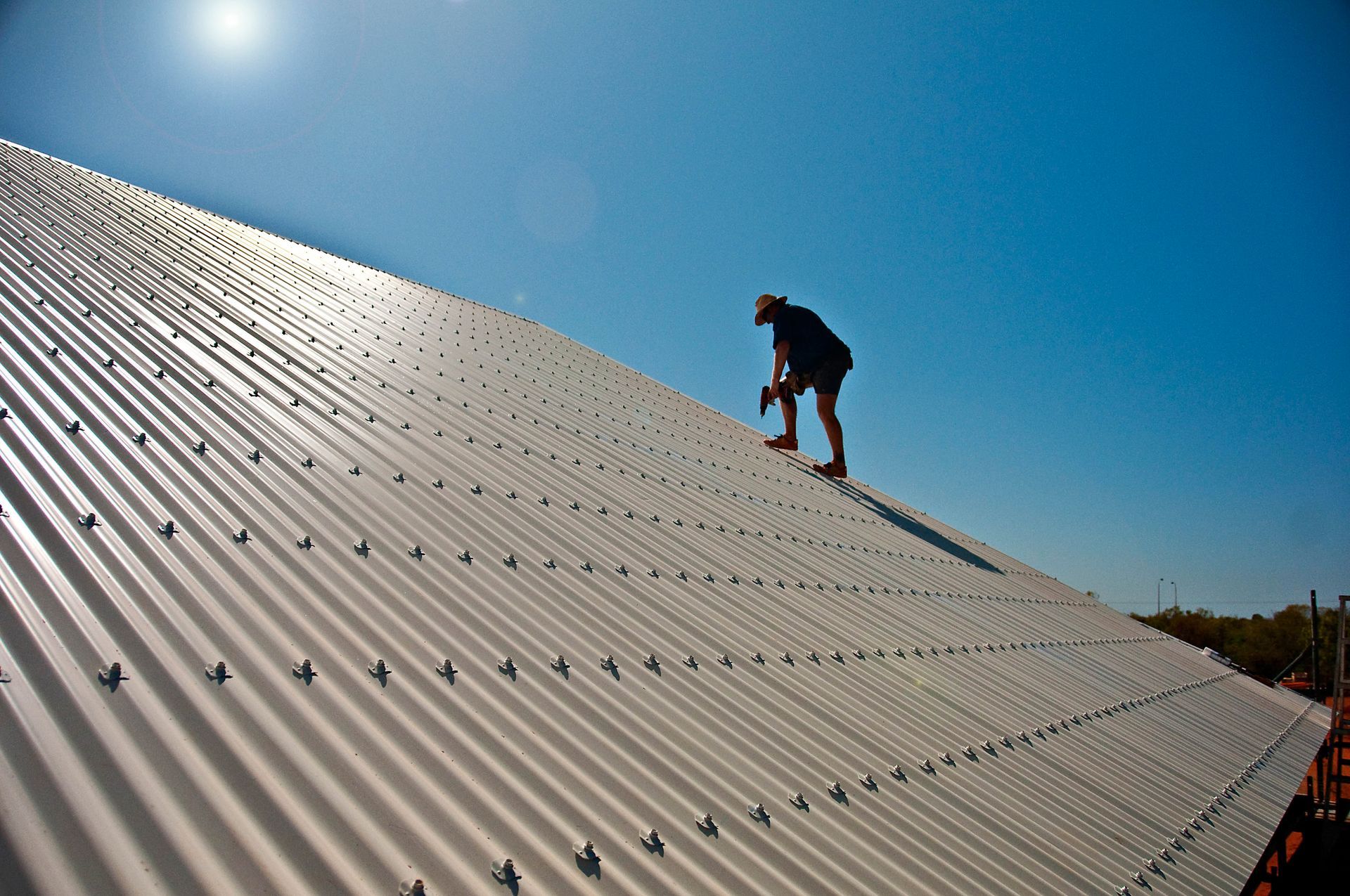
Choosing a roofing material is an important decision for homeowners who want lasting protection, dependable performance, and manageable maintenance requirements. A roof must withstand changing weather conditions, protect the structure from moisture, and maintain its appearance throughout years of exposure. While asphalt shingles remain popular, metal roofing has become an appealing alternative for homeowners interested in durability and long-term value. Its resistance to common forms of deterioration makes it worth considering during roof replacement projects. An experienced local roofer can explain how different metal roofing systems perform and whether they are appropriate for a particular property.
Providing an Extended Roofing Lifespan
One of the primary reasons homeowners consider metal roofing is its potential for an extended service life. Traditional roofing materials gradually deteriorate as they experience temperature changes, moisture exposure, and everyday weather conditions. Metal roofing systems resist many of these challenges, allowing them to remain functional for decades when properly installed and maintained. Their durability can reduce the frequency of major replacements and provide greater confidence in long-term protection.
According to This Old House, metal roofs can provide reliable protection for as long as 70 years. However, actual longevity depends on the metal type, protective coatings, installation quality, environmental conditions, and maintenance practices. A local roofer can evaluate these factors and recommend materials suited to the property's location. Although metal roofing often requires a higher initial investment than conventional shingles, its potential lifespan makes it appealing to homeowners planning to remain in their properties for many years.
Resisting Damage From Severe Weather
Roofing materials must withstand environmental conditions that can gradually compromise their protective capabilities. Heavy rainfall, strong winds, hail, and fluctuating temperatures place considerable stress on exposed roofing surfaces. Metal roofing systems provide resistance against many weather-related challenges. Properly secured panels can withstand substantial wind forces, while durable finishes help protect against moisture exposure. These characteristics make metal roofing attractive in regions where severe weather creates recurring concerns.
Performance depends on the specific roofing system, fastening methods, and installation procedures. Different metal products carry different wind and impact resistance ratings, making material selection important. A local roofer can assess regional weather patterns and explain which products meet applicable building requirements. Proper flashing, secure connections, and appropriate underlayment also contribute to weather resistance. Professional installation can help reduce vulnerabilities that might otherwise lead to premature deterioration.
Preventing Moisture-Related Deterioration
Moisture intrusion is a common concern for residential roofing systems. When water enters through damaged materials, deteriorated flashing, or poorly sealed connections, it can affect insulation, roof decking, and interior building components. Prolonged exposure may contribute to wood deterioration, staining, and expensive repairs. Metal roofing provides a durable exterior barrier that directs rainfall toward gutters and drainage systems. Its protective performance depends on properly designed seams, penetrations, and flashing.
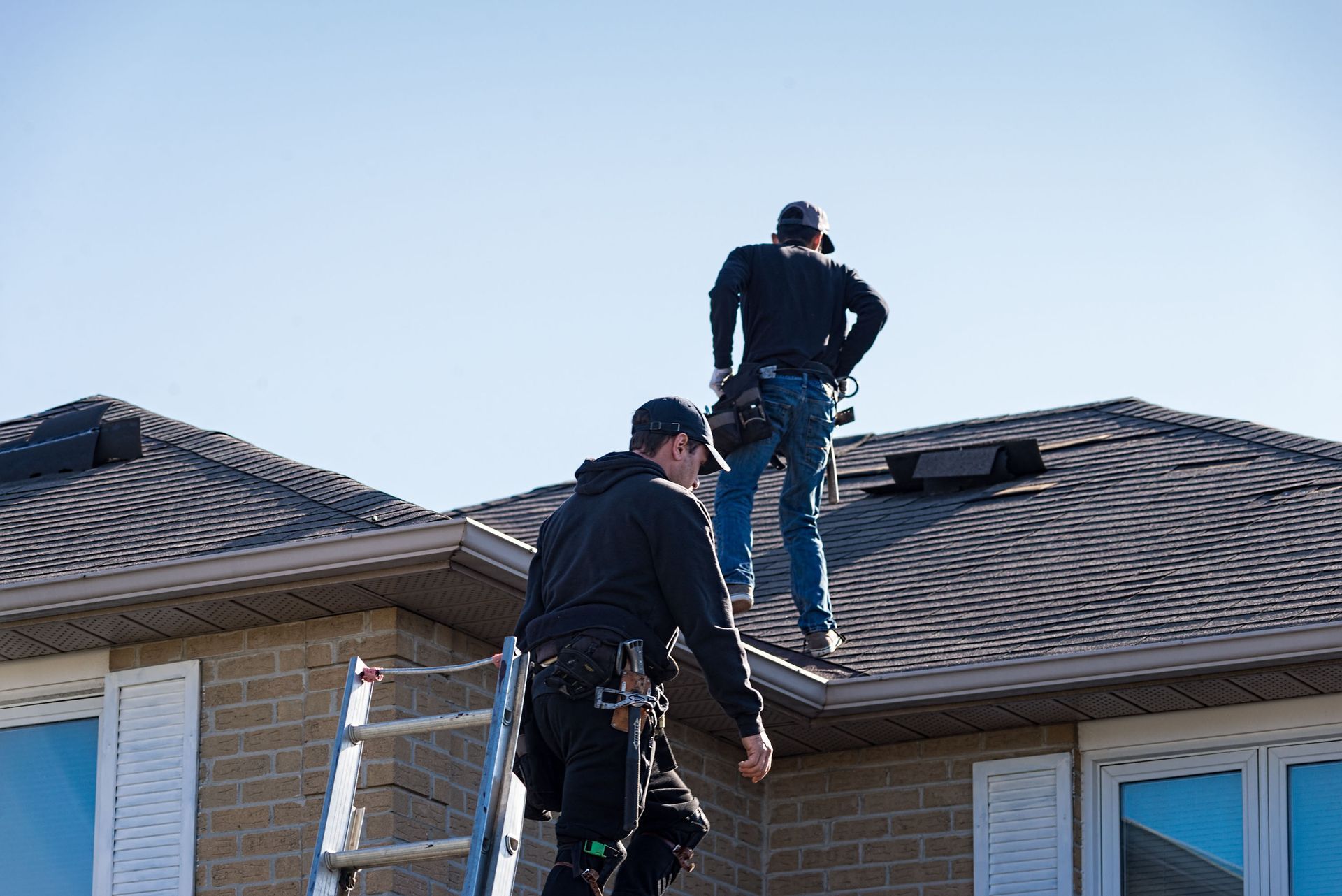
Different metal roofing materials respond differently to moisture exposure. Galvanized steel, aluminum, and copper have distinct corrosion characteristics and maintenance requirements. Protective finishes can reduce corrosion risks, particularly in environments exposed to persistent moisture or airborne contaminants. Homeowners should discuss local conditions and material compatibility before making a selection. Routine inspections can also identify damaged coatings, loose fasteners, or deteriorating sealants before these concerns compromise the roofing system.
Reducing Long-Term Maintenance Requirements
Every roofing system requires occasional attention, but some materials demand more frequent maintenance than others. Asphalt shingles may experience granule loss, cracking, curling, or displacement as they age. Metal roofing generally avoids several of these problems because it does not rely on individual asphalt shingles. Its durable surface and protective coatings help maintain performance over time. This makes metal roofing appealing to homeowners seeking manageable upkeep requirements.
However, reduced maintenance does not mean metal roofs are maintenance-free. A local roofer may recommend periodic inspections to examine fasteners, seams, flashing, coatings, and areas surrounding roof penetrations. Debris accumulation and blocked drainage pathways should also be addressed to prevent unnecessary moisture exposure. Identifying minor concerns early can help preserve the roofing system's protective capabilities. Following maintenance recommendations may reduce unexpected repairs and support long-term performance.
Withstanding Temperature Changes and Sun Exposure
Roofing materials experience repeated expansion and contraction as outdoor temperatures change. Over time, these movements can place stress on connections, joints, and protective surfaces. Metal roofing systems accommodate thermal movement when installed according to manufacturer specifications. Appropriate panel dimensions, fastening systems, and expansion allowances help reduce stress caused by temperature fluctuations. These installation details are especially important in regions experiencing substantial seasonal changes or prolonged sunlight exposure.
Metal roofing can also contribute to improved energy performance under appropriate conditions. Certain reflective finishes reduce the amount of solar energy absorbed by the roof, potentially lowering cooling demands during warmer months. Actual savings depend on roof color, insulation, ventilation, climate, and building design. Homeowners should evaluate these factors rather than assuming every metal roof provides identical efficiency benefits. Suitable materials can support indoor comfort while protecting the roofing assembly from excessive heat.
Supporting Reliable Structural Performance
Roofing materials contribute to the overall demands placed on a home's structural system. Metal roofing products are often lighter than traditional alternatives, including concrete or clay tiles. This characteristic can make them suitable for various residential applications without introducing unnecessary weight. However, the roof structure must still support applicable environmental loads, including wind, snow, and maintenance activities. Evaluating these requirements helps ensure that selected materials are appropriate for the building.
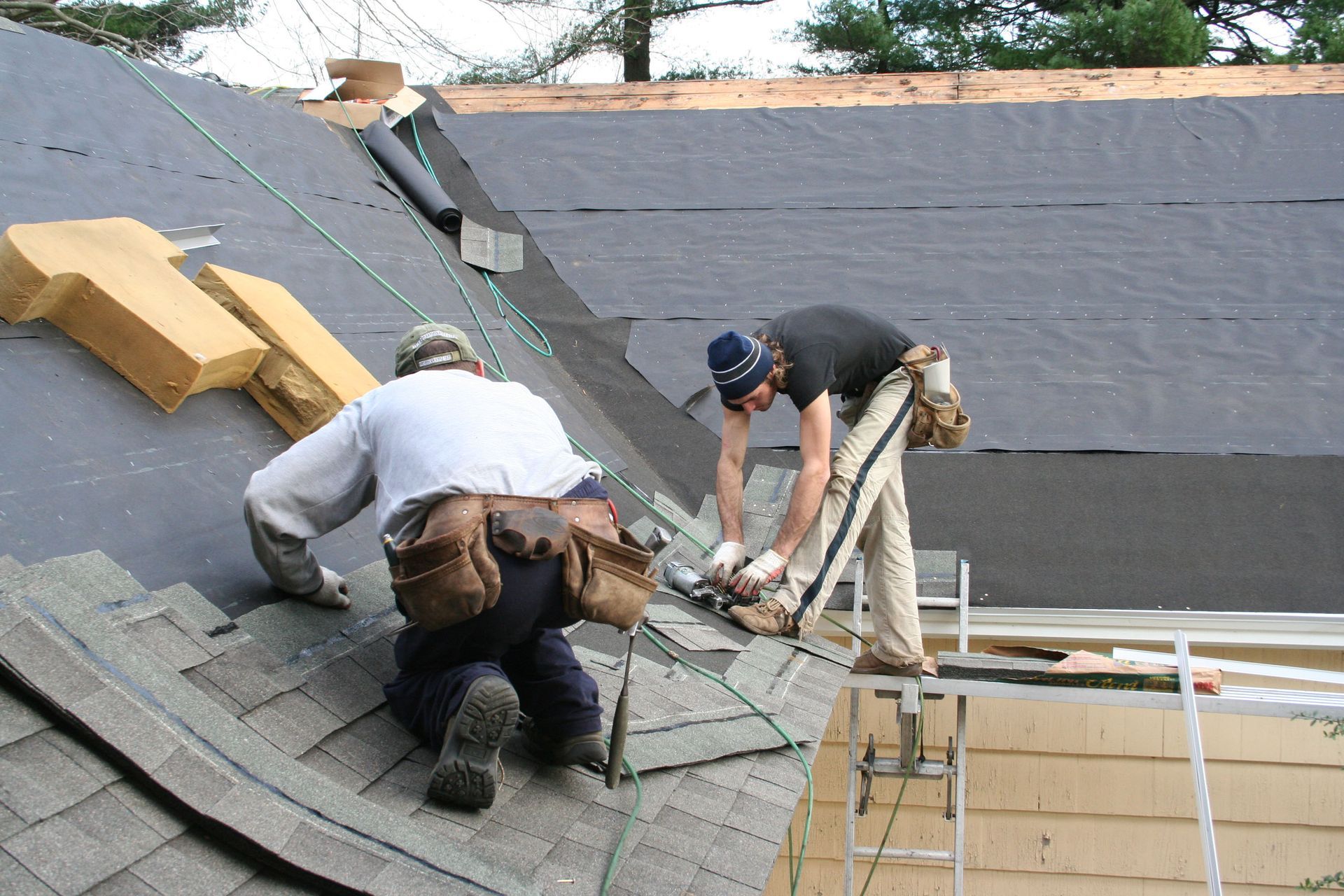
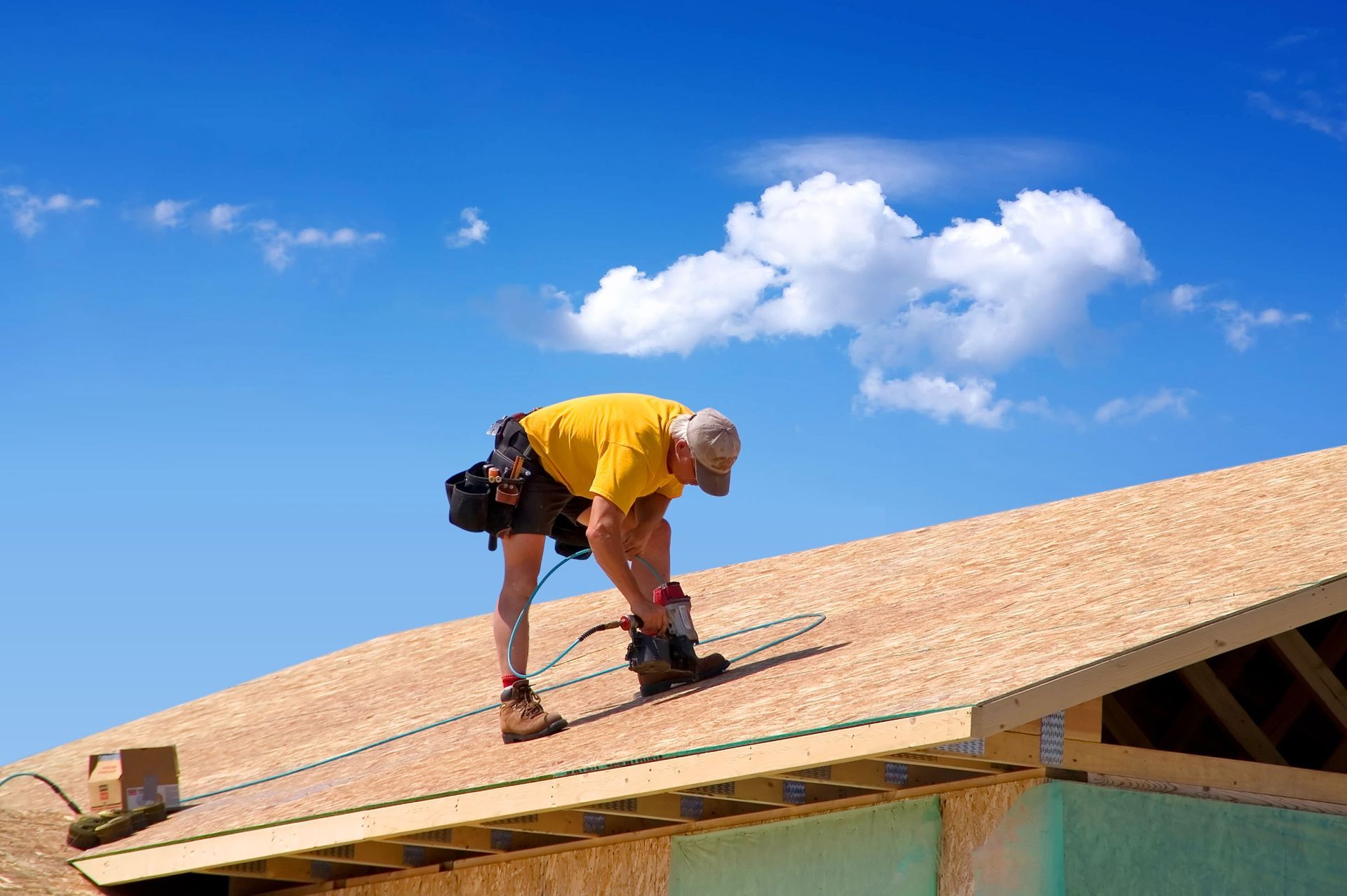
A local roofer can examine existing roof conditions and identify issues requiring attention before installation. Damaged decking, inadequate ventilation, or deteriorated structural components may need correction regardless of the roofing material. Professionals also consider roof slope, drainage patterns, and attachment requirements when planning a metal roofing project. Addressing these details during preparation helps establish a dependable foundation for installation and contributes to consistent performance throughout the roof's service life.
Maintaining Appearance Through Durable Finishes
A roof influences a home's overall appearance, making visual durability important alongside structural performance. Metal roofing is available in various colors, profiles, textures, and finishes that complement different architectural styles. Standing seam panels can create a contemporary appearance, while certain metal shingles resemble traditional roofing materials. These options allow homeowners to select a design that matches their preferences without sacrificing the practical advantages associated with metal construction.
Factory-applied coatings help protect metal roofing surfaces against fading, corrosion, and environmental exposure. However, finish performance varies according to product quality, climate, and maintenance practices. Homeowners should review manufacturer specifications and warranty terms before selecting a system. Choosing an appropriate finish can help maintain the roof's appearance while limiting premature deterioration. Coordinating roofing colors with siding, trim, and other exterior elements can also create a cohesive appearance as the property ages.
Improving Long-Term Roofing Investment Value
Initial installation expenses represent only one part of a roofing investment. Homeowners should also consider expected service life, maintenance costs, repair requirements, and the likelihood of future replacement. Metal roofing often involves higher upfront expenses than asphalt shingles, but its durability may provide financial advantages over an extended period. Avoiding multiple roof replacements can be particularly valuable for homeowners who intend to remain in the same residence for decades.
Comparing roofing options requires evaluating the complete project rather than focusing exclusively on material prices. Installation complexity, roof dimensions, existing conditions, and product specifications influence overall costs. A qualified local roofer can explain these variables and provide recommendations based on the homeowner's budget and priorities. Reviewing warranties, maintenance expectations, and projected performance can also establish realistic expectations. A carefully selected metal roofing system may offer lasting value through durability and reduced replacement frequency.
Metal roofing offers several advantages for homeowners seeking long-lasting protection and dependable performance. Its potential for an extended lifespan, resistance to weather-related damage, manageable maintenance requirements, and variety of available finishes make it a practical option for many residential properties. However, material selection, installation quality, environmental conditions, and ongoing maintenance influence how effectively a roof performs over time. Working with an experienced local roofer can help homeowners evaluate these considerations and determine whether metal roofing aligns with their needs and budget. Professional guidance also helps ensure that important installation details receive appropriate attention. If you are considering a metal roof or exploring durable roofing options for your property, contact Corso Roofing today to discuss your project and learn more about available solutions.