October 13, 2026
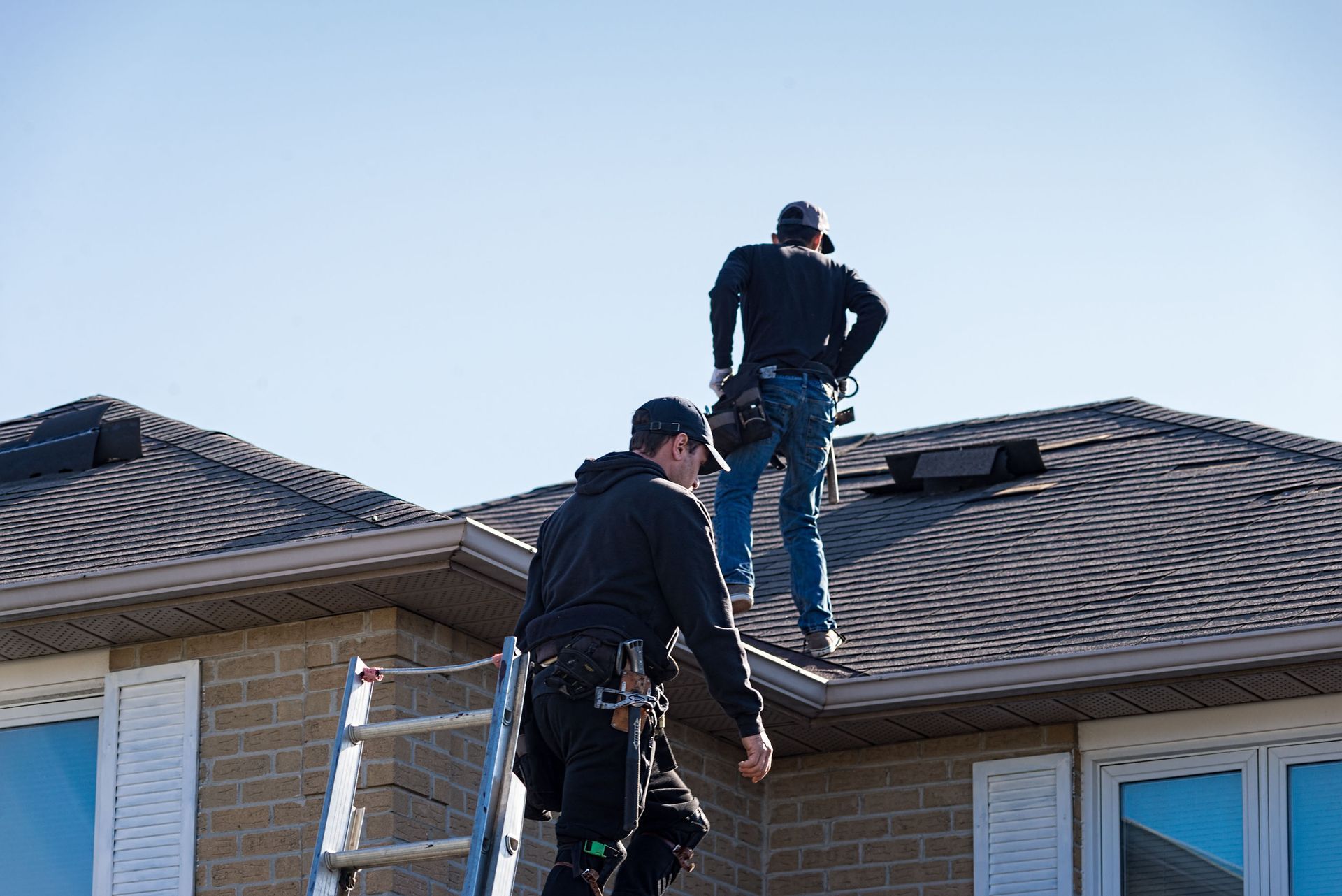
A roof is constantly exposed to sunlight, wind, rain, temperature changes, falling debris, and other conditions that can gradually affect its performance. Many roofing problems begin as relatively small areas of wear that are difficult to notice from the ground. Regular professional inspections provide an opportunity to identify these changes before they develop into more extensive damage. Addressing concerns early can reduce the likelihood that homeowners will face larger or more complicated roof repair needs later.
The size of the roofing industry reflects how important professional roofing services are for property owners. According to IBISWorld, approximately 109,000 businesses operate within the roofing contractors industry in the United States. Inspections are an important part of professional roofing care because they allow contractors to evaluate materials, flashing, drainage, penetrations, and other vulnerable areas. A consistent inspection schedule can help homeowners understand the condition of their roof rather than waiting for an obvious leak or visible failure.
Identifying Minor Roofing Damage Earlier
Finding Damaged Shingles
Individual shingles can crack, loosen, curl, or become damaged by weather over time. These changes may initially affect only a small section of the roof. During an inspection, a professional can identify affected materials before deterioration spreads or leaves the underlying roofing system increasingly exposed.
Finding Missing Materials
Strong winds and storms can displace shingles or other roofing components without creating an immediate indoor leak. Missing materials leave vulnerable areas less protected from future weather. Identifying them promptly can reduce the potential for additional moisture exposure.
Finding Surface Wear
Roofing materials naturally change as they age. Granule loss, fading, cracking, and other signs of deterioration can help professionals evaluate the overall condition. Recognizing these changes early can clarify whether maintenance or roof repair deserves attention.
Finding Isolated Problem Areas
Roof deterioration is not always uniform. One slope may experience more sunlight, wind, debris, or moisture than another. Inspections allow professionals to compare different sections and identify localized concerns before they influence a larger portion of the roofing system.
Identifying Moisture Problems Earlier
Detecting Early Leak Evidence
A roofing leak does not always create an obvious ceiling stain immediately. Moisture can enter around flashing, penetrations, seams, or damaged materials and remain difficult to detect. Professional inspections can identify conditions that suggest water intrusion before interior symptoms become severe.
Detecting Damaged Underlying Materials
When moisture reaches materials beneath the visible roof covering, deterioration can continue out of sight. Early professional evaluation can help determine whether a vulnerable area needs attention before water affects a broader section of the system.
Detecting Moisture Around Penetrations
Vents, pipes, skylights, and other roof penetrations create transitions that require careful protection from water. Regular inspections allow these areas to be reviewed for deterioration that could eventually lead to roof repair if left unaddressed.
Detecting Interior Warning Signs
Roof evaluations can also consider visible signs inside attics or other accessible areas. Moisture staining, damp materials, or other unusual conditions can provide additional information about whether water has moved beyond the exterior roofing surface.
Identifying Flashing Problems Earlier
Checking Flashing Around Chimneys
Chimneys create several transitions where roofing materials meet a vertical structure. Flashing helps direct water away from these intersections. If it loosens, corrodes, or deteriorates, moisture may find a pathway beneath surrounding roofing materials.
Checking Flashing Around Walls
Areas where roof surfaces meet exterior walls also depend on properly functioning flashing. Regular inspection can identify separation, damage, or other concerns before repeated rainfall creates a more significant moisture problem.
Checking Flashing Around Valleys
Roof valleys channel substantial amounts of water during rainfall. Their flashing and surrounding materials can experience significant exposure over time. Professional inspections help identify deterioration that could otherwise contribute to leaks and more extensive roof repair requirements.
Checking Flashing Around Other Features
Dormers, vents, skylights, and other architectural elements can create additional transitions across the roof. Reviewing these details as part of a broader inspection helps ensure that smaller vulnerable areas are not overlooked simply because the main roofing surface appears intact.
Identifying Drainage Problems Earlier
Recognizing Blocked Drainage Areas
Leaves, branches, roofing debris, and other materials can interfere with normal water movement. When water cannot leave the roof area effectively, it may collect or flow toward locations that were not designed for prolonged moisture exposure.
Recognizing Gutter Concerns
Gutters help direct rainwater away from the roof edges and the building below. Loose, damaged, or obstructed gutters can contribute to water accumulation near fascia and other components. Inspections can reveal whether drainage conditions are affecting surrounding roofing materials.
Recognizing Ponding Water
Some roofing systems can develop areas where water remains after rainfall. Persistent ponding deserves professional evaluation because prolonged moisture exposure can place additional stress on roofing materials. Addressing the underlying condition may help prevent future roof repair needs.
Recognizing Drainage Changes
Water movement can change as roofing materials age, gutters shift, or debris accumulates. A drainage pattern that once worked properly may become less effective over time. Regular evaluation helps professionals recognize these changes before they contribute to visible damage.
Identifying Weather-Related Damage Earlier
Assessing Wind Exposure
High winds can loosen shingles, flashing, ridge materials, and other components. Some wind damage can be subtle from ground level, particularly when materials remain partially attached. An inspection after significant weather can reveal whether sections have become vulnerable.
Assessing Hail Exposure
Hail can affect roofing materials differently depending on its size, wind conditions, and the type and age of the roof. Professional evaluation can distinguish ordinary aging from impact-related concerns and determine whether additional attention is appropriate.
Assessing Fallen Debris
Branches and other storm debris can scrape, puncture, or otherwise damage roof surfaces. Even when debris rolls or falls away afterward, evidence of impact may remain. Identifying these areas early can reduce the chance that unnoticed damage develops into a larger roof repair issue.
Assessing Seasonal Wear
Repeated temperature changes, heavy rainfall, strong sunlight, and seasonal storms can gradually affect roofing materials. Periodic inspections provide a way to track these changes and compare current conditions with previous evaluations.
Identifying Long-Term Roofing Needs Earlier
Tracking Material Aging
Every roofing material has a service life, but actual performance depends on installation, climate, maintenance, ventilation, and exposure. Regular inspections allow homeowners to follow how their particular roof is aging rather than relying solely on its installation date.
Tracking Recurring Concerns
A problem that repeatedly appears in the same area can indicate an underlying condition requiring closer evaluation. Inspection records can help professionals identify patterns instead of treating each occurrence as an unrelated event.
Tracking Maintenance Priorities
Not every roofing concern requires the same response. Some conditions need prompt attention, while others can be monitored. Professional inspections can help homeowners distinguish between immediate roof repair needs and issues that should simply be watched over time.
Tracking Future Replacement Needs
Regular inspections can also provide a clearer understanding of when a roof is approaching the end of its practical service life. This information allows property owners to plan ahead rather than being surprised by a major roofing project after a sudden failure.
Regular roof inspections can help reduce unexpected problems by identifying damaged materials, moisture concerns, flashing deterioration, drainage issues, weather-related damage, and long-term wear before they become more extensive. While inspections cannot prevent every roofing problem, they provide valuable information about changing conditions and can make it easier to address smaller concerns at the appropriate time. Homeowners who want to better understand the condition of their roofing system can contact Corso Roofing today to schedule a professional inspection and discuss any roof repair needs identified during the evaluation.