October 12, 2026
Severe weather can place significant stress on a home, particularly the roof, which serves as one of the primary barriers against rain, wind, hail, snow, and airborne debris. Preparing this structure before challenging conditions arrive can reduce the likelihood of leaks, structural deterioration, and costly interior damage. A local roofer can evaluate existing conditions, identify vulnerable areas, and recommend practical improvements based on the types of weather a property may experience. Rather than waiting until damage becomes visible after a storm, homeowners can use inspections, maintenance, repairs, and strategic upgrades to strengthen their roofing systems. Taking preventive measures can also make it easier to manage unexpected weather events and preserve the roof's performance throughout its expected service life.
Understanding Severe Weather Risks
Different weather events create different roofing concerns. Strong winds can loosen shingles, flashing, ridge caps, and other components, while hail can crack or puncture certain roofing materials. Heavy rainfall may expose existing leaks or drainage problems, and accumulated snow and ice can place additional weight on a roofing system. Freeze-and-thaw cycles can also allow moisture to enter small openings before expanding and worsening existing damage. Understanding the weather conditions that commonly affect an area gives homeowners a better foundation for deciding which preventive measures deserve priority.
Historical weather patterns can provide additional guidance when planning roof maintenance. Areas that regularly experience high winds may benefit from greater attention to fastening systems and edge protection, while regions with frequent snow may require additional consideration for drainage and ice barriers. A local roofer can use knowledge of regional conditions to help homeowners recognize which roofing components are most likely to experience stress. This location-specific approach can make maintenance and improvements more relevant to the property's actual exposure instead of relying on generalized recommendations.
Scheduling Pre-Storm Roof Inspections
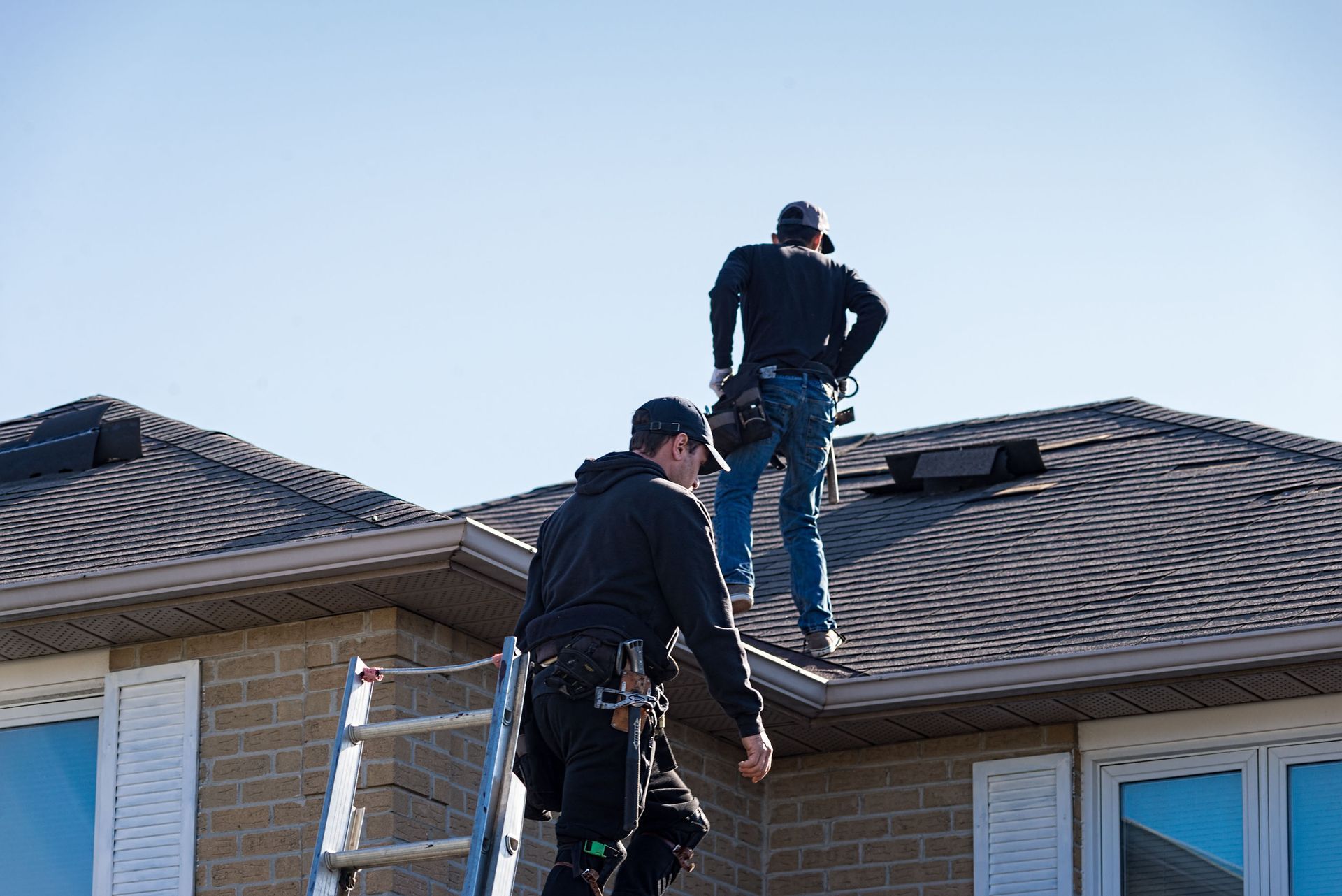
Routine inspections are an important part of preparing a roofing system for severe weather. Small problems can be difficult for homeowners to identify from the ground, particularly when damage develops around flashing, valleys, vents, skylights, chimneys, and other roof penetrations. Loose materials, deteriorated sealants, damaged shingles, and weakened flashing can allow water to enter during a storm. Identifying these conditions beforehand provides an opportunity to complete repairs while the weather is still manageable.
A comprehensive inspection should also consider previous repairs and the overall condition of existing roofing materials. Older repairs may deteriorate over time or may no longer provide sufficient protection as surrounding materials age. A local roofer can examine these areas along with gutters, drainage components, roof edges, and visible structural concerns. Modern inspection methods may also incorporate photography, drones, moisture detection, or other technologies when appropriate. Detailed documentation can help homeowners understand current conditions and maintain useful records of repairs and maintenance.
Addressing Repairs Before Storm Season
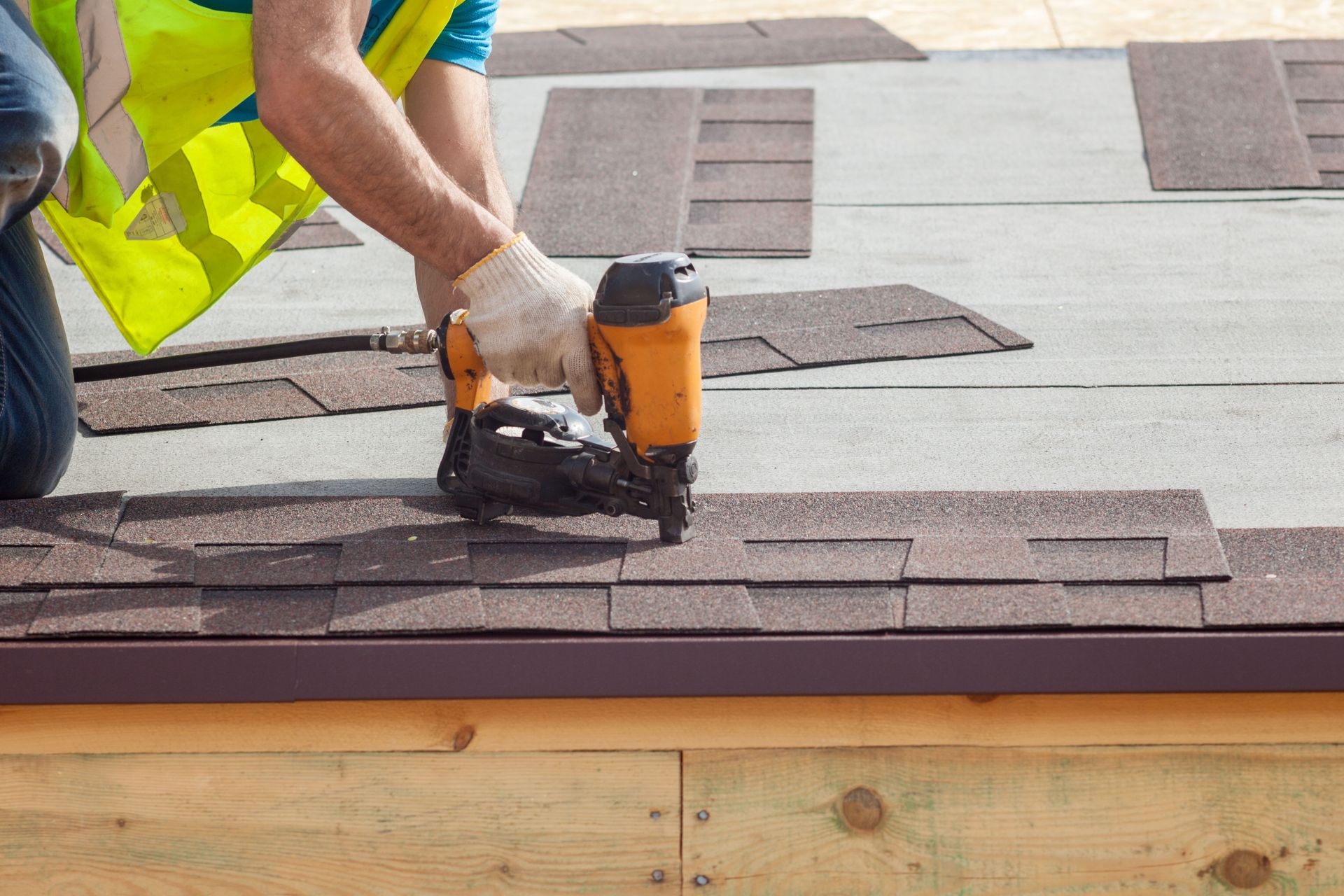
Minor roofing problems can become considerably more serious when exposed to severe weather. A loose shingle may be vulnerable to strong winds, while a small opening near flashing can allow substantial amounts of water into the roofing assembly during prolonged rainfall. Promptly correcting these issues helps maintain the roof as a continuous protective system. Repairs may involve replacing damaged materials, resealing vulnerable areas, correcting flashing, securing components, or addressing drainage concerns.
Timely repairs can also help prevent secondary problems. Water entering through a damaged roof may affect insulation, ceilings, walls, electrical components, and structural materials. Moisture that remains trapped can contribute to deterioration and create additional repair needs. Working with a local roofer before severe weather arrives gives homeowners an opportunity to address manageable problems before they develop into larger concerns. Preventive repair planning may also reduce the need for emergency work immediately following a major storm.
Maintaining Gutters and Drainage Systems
Roof preparation extends beyond shingles and other surface materials. Gutters and downspouts play an important role in directing rainwater away from the roof, siding, foundation, and surrounding property. Leaves, branches, roofing granules, and other debris can restrict water movement and cause gutters to overflow. During heavy rainfall, inadequate drainage may allow water to collect near roof edges or enter vulnerable sections of the roofing system.
Homeowners should have gutters inspected and cleaned as part of seasonal roof maintenance. Loose sections, damaged fasteners, improper slopes, and disconnected downspouts may also require attention. Downspouts should direct water toward suitable drainage areas rather than allowing it to accumulate near the foundation. Maintaining these components helps the entire roofing and drainage system manage large volumes of water more effectively during storms.
Evaluating Roofing Materials and Durability
The age and condition of roofing materials influence how well a home can withstand challenging weather. Materials naturally deteriorate because of sunlight, moisture, temperature changes, and ordinary aging. Shingles may lose protective granules, become brittle, curl, crack, or loosen over time. Other roofing systems can experience deterioration in seams, fasteners, coatings, or flashing. Regular evaluations help determine whether individual repairs remain practical or whether more extensive improvements should be considered.
When replacement or major upgrades become necessary, weather resistance can be an important consideration when comparing materials. Impact resistance, wind ratings, water protection, expected lifespan, maintenance requirements, and compatibility with the existing structure can all affect the decision. A local roofer can explain available options and how different materials may perform under regional weather conditions. Choosing materials based on both durability and property-specific needs can improve long-term performance without focusing solely on initial cost.
Strengthening Vulnerable Roofing Areas
Certain sections of a roof may require additional attention because they naturally experience greater exposure to moisture or wind. Valleys channel significant amounts of water, while roof edges can experience wind uplift. Flashing around chimneys, vents, walls, and skylights must maintain tight seals to prevent water intrusion. Reinforcing or repairing these areas before severe weather arrives can help reduce common sources of storm-related damage.
Water and ice barriers may provide additional protection in appropriate locations. These materials create a secondary defense beneath the primary roofing surface and can be particularly useful around roof edges, valleys, and other vulnerable sections. In colder climates, proper insulation and ventilation can also help manage roof temperatures and reduce conditions that contribute to ice dams. The appropriate combination of protective measures depends on the home's design, roofing system, and environmental conditions.
Creating a Consistent Maintenance Schedule
Roof maintenance is most effective when performed consistently rather than only after visible problems appear. Seasonal inspections can identify gradual deterioration caused by weather exposure, falling debris, vegetation, animals, or aging materials. Homeowners should also monitor the property from the ground for visible warning signs such as missing shingles, sagging gutters, damaged flashing, or debris accumulating on the roof.
Maintenance schedules can be adjusted according to local conditions and the age of the roofing system. Older roofs may require more frequent evaluations, while properties surrounded by trees may need additional gutter cleaning and debris removal. A local roofer can help establish a practical maintenance schedule based on these factors. Keeping records of inspections, repairs, and improvements also creates a useful history that homeowners can reference when evaluating future roofing needs.
Preparing in advance can reduce uncertainty when storms develop and give homeowners greater confidence in the condition of their property. A well-maintained roof cannot eliminate every possibility of weather-related damage, but preventive attention can reduce avoidable risks and help problems get identified sooner. By combining routine maintenance with professional evaluations and a clear emergency plan, homeowners can strengthen their home's defenses, protect interior spaces, and support the long-term performance of one of the property's most important structural systems. Contact our team at Corso Roofing today and learn more about our roofing services.